11.8K subscribers
6,661 views·
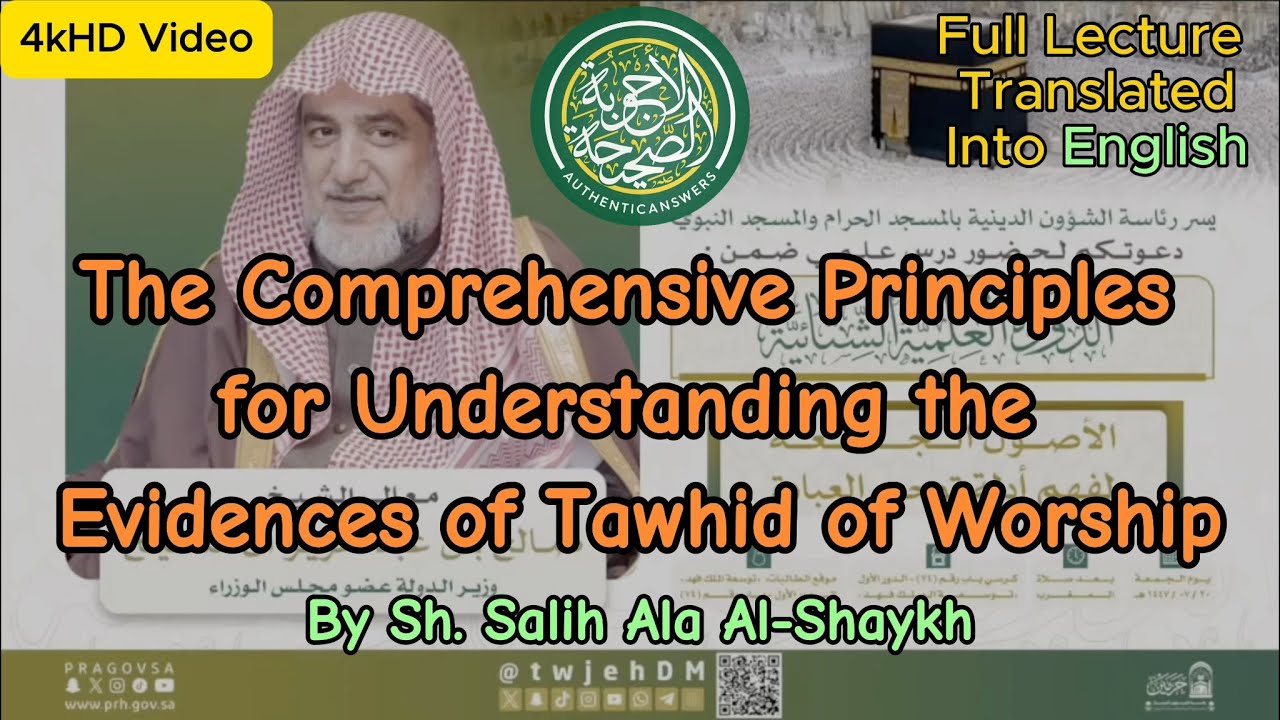
📌 Shaykh Salih Al al-Shaykh explains that the claim that Shaykh Muhammad ibn Abd al-Wahhab rebelled against the Ottomans is incorrect for two reasons. 1️⃣. First, Najd was not under Ottoman authority during the time of Shaykh Muhammad ibn Abd al-Wahhab. - Since the third century Hijri, Najd had remained politically independent and was governed by local rulers. Therefore, the claim that he rebelled against the Ottomans is historically unfounded. 2️⃣ Second, the Shaykh mentions that during the later Ottoman period, the Ottomans had fallen into numerous nullifiers, among them the state's own involvement in and propagation of major shirk through grave and shrine worship. - Such practices of shirk and kufr were not only widespread but were also promoted by the Ottoman authorities themselves. The construction and maintenance of shrines and places associated with grave worship were approved, funded, and sanctioned by the Ottoman authorities, both directly and indirectly. The effects of this support are undeniable, as many of these practices and structures remain throughout the Muslim world to this day. - As for the authorities themselves committing shirk, the Shaykh cites examples from the writings of some Ottoman rulers containing supplications in which aid was sought from the Messenger of Allah ﷺ and from the awliya. Likewise, they promoted and called people to adherence to the Sufi orders. The Shaykh concludes that the first point is the primary and relied-upon answer, while the second point is a subsidiary argument that branches from it. ━━━━━━━━━━━━━━━━━━━━━━ ⚠️ The Murji'ah conflate the outward rulings pertaining to legislative names and labels with the inward rulings pertaining to legislative punishments. - The outward ruling is the worldly judgment based solely on a person’s outward statements and actions. It does not depend on what is in the heart. - The inward ruling concerns the hidden reality of the heart, which cannot be known. It is only considered in matters of punishment and the ruling of the Hereafter. Ignorance, coercion, mistake, and denial are considered here, not in the outward ruling. ✍ The Permanent Committee for Islamic Research and Fatwas in Saudi Arabia. Fatwah no. 4400: 👉 (❗) "So clarifying the matter and establishing the proof (Iqāmat al-hujjah) is for the purpose of removing any excuse before carrying out the PUNISHMENT upon him, NOT in order for him to be called a kafir only after the clarification. 👉 (❗) Rather, he IS CALLED a kafir based on the outward act he committed. Such as prostrating to other than Allah, vowing as an act of worship to other than Him, or slaughtering an animal, like a sheep, for other than Allah.” 📚 Source: Kitāb Fatāwā al-Lajnah al-Dāʾimah – First Collection, vol. 1, p. 220 https://shamela.ws/book/8381/396#p1 ━━━━━━━━━━━━━━━━━━━━━━ ✅ The methodology of Ahl al-Sunnah wal-Jamaah: The outward ruling is based exclusively on statements and actions. Matters of the heart are only considered in punishment and the final judgment, in this world by the judge and in the Hereafter by Allah. ✍️ Al-Hafidh Ibn Hajar al-Asqalani (d. 852H) in Fath al-Bari (12/272), transmitting consensus: وكلهم أجمعوا على أن أحكام الدنيا على الظاهر، والله يتولى السرائر “THEY ALL UNANIMOUSLY AGREED that worldly rulings are based upon what is outwardly apparent, while Allah alone takes charge of what lies within.” End Quote ✍️ Shaykh al-Islam Ibn Taymiyyah (d. 728H) said in As-Sarim al-Maslul (2/339): فمن قال أو فعل ما هو كفر, كفر بذلك، وإن لم يقصد أن يكون كافرًا، إذ لا بقصد الكفر أحدّ إلًّا ما شاء الله. “Whoever says or does that which is kufr, then he becomes a kafir by that itself, even if he did not intend to become a disbeliever, for no one intends kufr except whom Allah wills.” End Quote ━━━━━━━━━━━━━━━━━━━━━━ ✦ Authentic and True — From the Scholars to You ✦ ━━━━━━━━━━━━━━━━━━━━━━ #Islam #Quran #Sunnah #Aqeedah #Salafi #salafiyyah #Bidah #IslamicAdvice #IslamicReminders #Seeki