11.8K subscribers
1,459 views·
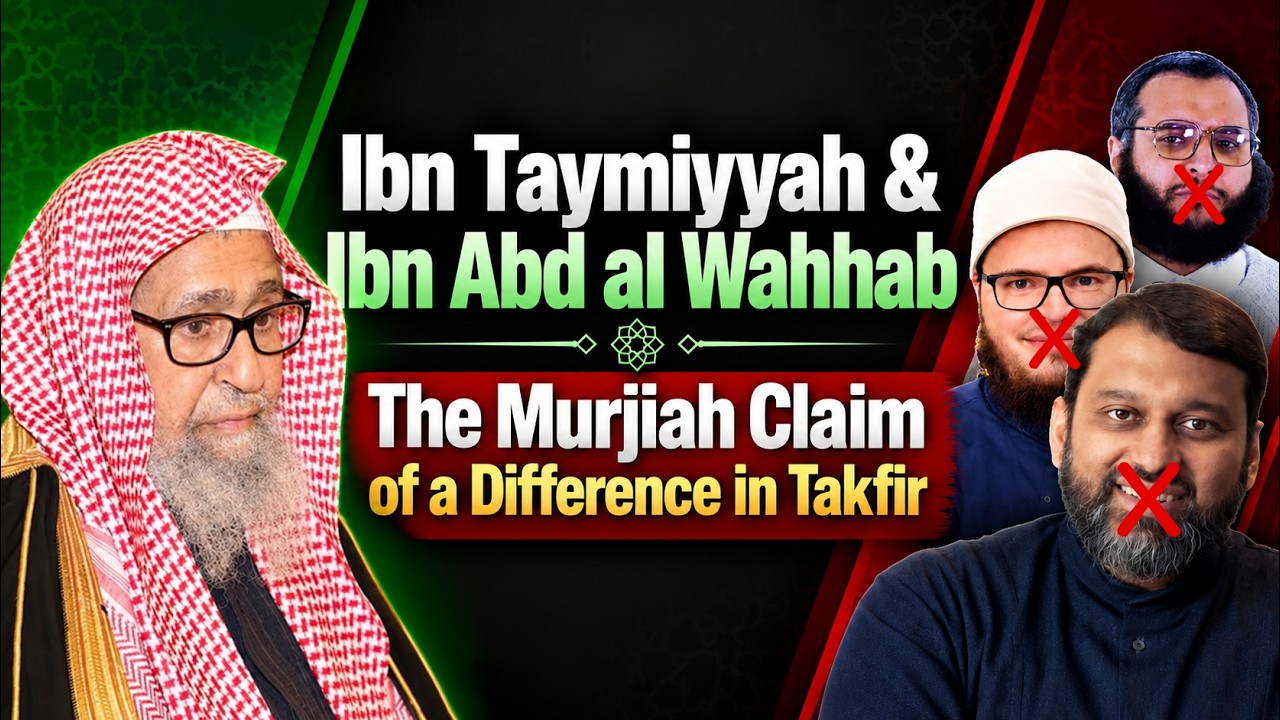
📌 In this video, Shaykh and Imam of Ahl al Sunnah, Salih al Fawzan, explains and refutes one of the doubts of the Murjiah regarding the issue of specific takfir. He clarifies that we label and judge people based on what is outwardly apparent from their statements and actions. ❌ The Murjiah try to nullify this principle by deliberately and deceitfully confusing the people about the difference between takfir as a description (al takfir al ismi) and takfir in terms of legal ruling and punishment (al takfir al hukmi). ❌ They say, “Takfir is only for the judges,” but, like the deceivers from the Khawarij and the people of innovation and desires, they deliberately avoid specifying the issue. - The first is based on what is outwardly apparent and applies to everyone who witnesses it. - The second relates to legal rulings and punishments, which belong only to the Islamic judiciary and the Muslim ruler. ❓What is their objective? And what is the conclusion that all of their doubts are meant to establish? ❗ The answer is clear: to suspend ruling by what is outwardly apparent, delay it, or completely nullify it. All of their doubts revolve around this goal. - Whether by distorting the words of the scholars, using false analogy, appealing to emotions, or resorting to evasion and deception, the result is the same: refusing to rule upon a specific individual who has been witnessed committing a statement or action of major shirk, major kufr, major bidah, or major sins. ━━━━━━━━━━━━━━━━━━━━━ ⚠️ The Murjiah confuse the outward ruling with the inward ruling. - The outward ruling is the worldly judgment based solely on a person’s outward statements and actions. It does not depend on what is in the heart. - The inward ruling concerns the hidden reality of the heart, which cannot be known. It is only considered in matters of punishment and the ruling of the Hereafter. Ignorance, coercion, mistake, and denial are considered here, not in the outward ruling. ✅ The methodology of Ahl al-Sunnah wal-Jamaah: The outward ruling is based exclusively on statements and actions. Matters of the heart are only considered in punishment and the final judgment, in this world by the judge and in the Hereafter by Allah. ✍️ Al-Hafidh Ibn Hajar al-Asqalani (d. 852H) in Fath al-Bari (12/272), transmitting consensus: وكلهم أجمعوا على أن أحكام الدنيا على الظاهر، والله يتولى السرائر “THEY ALL UNANIMOUSLY AGREED that worldly rulings are based upon what is outwardly apparent, while Allah alone takes charge of what lies within.” End Quote ✍️ Shaykh al-Islam Ibn Taymiyyah (d. 728H) said in As-Sarim al-Maslul (2/339): فمن قال أو فعل ما هو كفر, كفر بذلك، وإن لم يقصد أن يكون كافرًا، إذ لا بقصد الكفر أحدّ إلًّا ما شاء الله. “Whoever says or does that which is kufr, then he becomes a kafir by that itself, even if he did not intend to become a disbeliever, for no one intends kufr except whom Allah wills.” End Quote ━━━━━━━━━━━━━━━━━━━━━ ✍ The Permanent Committee for Islamic Research and Fatwas in Saudi Arabia. Fatwah no. 4400: 👉 (❗) "So clarifying the matter and establishing the proof (Iqāmat al-hujjah) is for the purpose of removing any excuse before carrying out the PUNISHMENT upon him, NOT in order for him to be called a disbeliever only after the clarification.Rather, he IS CALLED a disbeliever based on the outward act he committed. such as prostrating to other than Allah, vowing as an act of worship to other than Him, or slaughtering an animal, like a sheep, for other than Allah...” End Quote 📚 Source:Kitāb Fatāwā al-Lajnah al-Dāʾimah – First Collection, vol. 1, p. 220 https://shamela.ws/book/8381/396#p1 ━━━━━━━━━━━━━━━━━━━━━ ✍ The Permanent Committee for Islamic Research and Fatwas in Saudi Arabia. Question Three from Fatwa No. 11043 Answer: 👉 (❗) This is because the reason for their refraining from declaring those grave-worshippers to be disbelievers It is due to a MISCONCEPTION they hold, namely their belief that it is necessary to establish th
1.7K views ·
Next in series