38.9K subscribers
7,469 views·
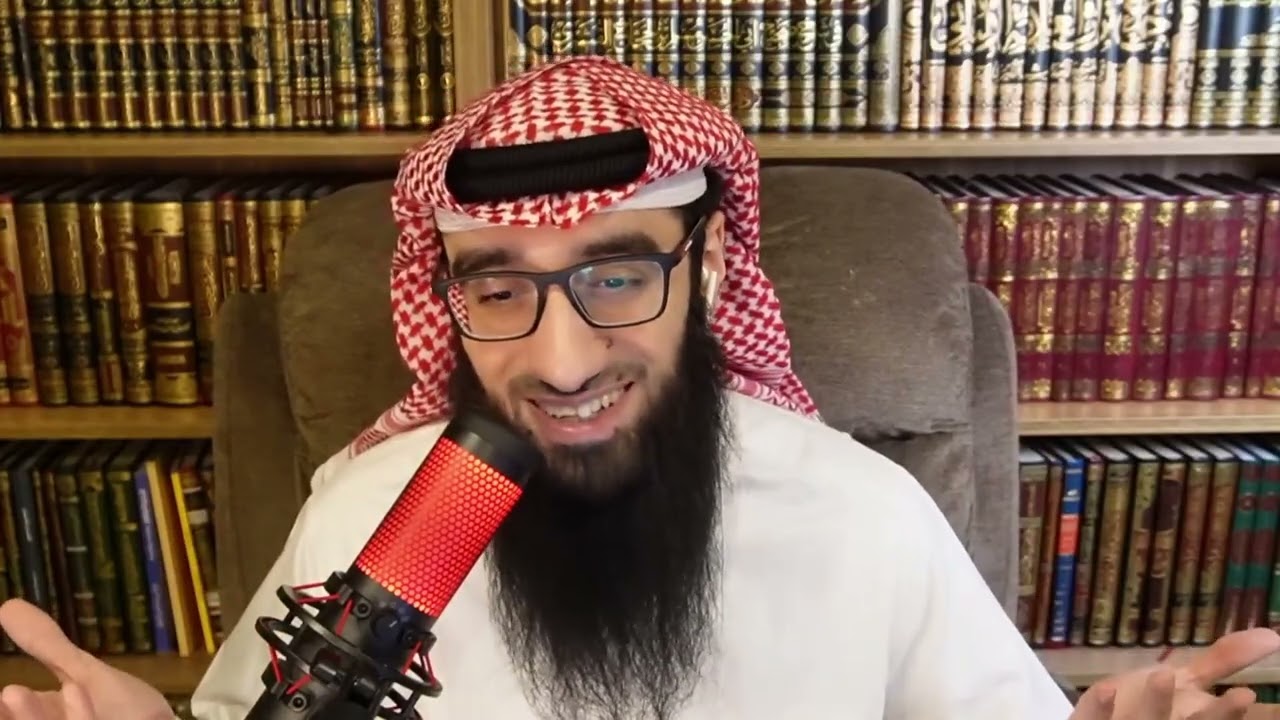
📖 Study with Ustadh AbdulAziz Al-Haqqan, live and free: https://www.sokacademy.com/live?utm_source=youtube&utm_medium=description&utm_campaign=wasitiyyah&utm_content=wasit-l1-c1 Someone falls into a mistake in aqidah. Is he doomed? Ustadh AbdulAziz Al-Haqqan reads Ibn Taymiyyah's own words from Majmūʿ al-Fatāwā 3/179: the one who differs may be a mistaken mujtahid, the proof may not have reached him, his good deeds may erase it. We show what is right and what is wrong. We do not pass the verdict of doom. From Lesson 1 of Al-ʿAqīdah al-Wāsiṭiyyah. 📖 https://www.sokacademy.com/live?utm_source=youtube&utm_medium=description&utm_campaign=wasitiyyah&utm_content=wasit-l1-c1 (online academy) : Courses taught by Sheikh AbdulAziz Al-Haqqan following the literature of the prominent scholars of Islamic history 📱Social Media of Ustadh AbdulAziz Al-Haqqan حفظه الله : https://linktr.ee/gardenofilm Shaykh al-Islam Ibn Taymiyyah raḥimahullāh taʿālā says, laysa kullu man khālafa, not everyone that contradicts in something of these, of this iʿtiqād, of this belief, it mandates that he is doomed. It mandates that he is doomed. Shaykh al-Islam says, raḥimahullāh raḥmatan wāsiʿah, in Majmūʿ al-Fatāwā, volume number three, page 179, he says, then I said to them, not everyone who differs regarding something from this creed must necessarily be doomed. The one disputing may be a mistaken mujtahid, and Allah may forgive him his mistake. He may not have received enough knowledge for the proof to be established against him. He may also have good deeds by which Allah erases his sins, if the wording of the texts of warning that may apply to him should not include the one who made an interpretation. The one who sought repentance, and the one with good deeds that erase sins, the one that is forgiven, and such other cases, and other such cases, then this is even more so. Rather, what this statement implies is that whosoever believes this creed is saved in this belief, and whosoever believes the opposite, may be saved and may not be saved. This is a huge lesson by Shaykh al-Islam Ibn Taymiyyah raḥimahullāh taʿālā. Some people, they fall into mistakes, even in ʿaqīdah. They might get punished for it, yes. They might be forgiven for it, yes as well. So they might have fallen into it genuinely by a mistake and they're seeking the truth. Or they might have more ḥasanāt that erase the sayyiʾāt. Allah subḥānahu wa taʿālā forgives them. There are so many, we're not talking about that. We're talking about what? We're showing you what is right and what is wrong, so that you don't fall into the same mistakes as them. But we're not saying they are doomed. We don't mandate and make it binding upon them to say that they are doomed. No, we're saying what? We're saying this is the ʿaqīdah and this is deviance, this is bidʿah. So we show you the right path in order to follow it. But there are people that were genuine and fell into mistakes, and there are people that were not genuine and they were calling to deviancy. So this is the proper ʿaqīdah, but it is not binding that every single person that goes against it in an aspect that he is doomed. As Shaykh al-Islam Ibn Taymiyyah raḥimahullāh taʿālā has said. Seek knowledge for free with us live: https://www.sokacademy.com/live?utm_source=youtube&utm_medium=description&utm_campaign=wasitiyyah&utm_content=wasit-l1-c1 #Aqidah #IbnTaymiyyah #Wasitiyyah #SOKAcademy #AbdulAzizAlHaqqan