9.9K subscribers
234 views·
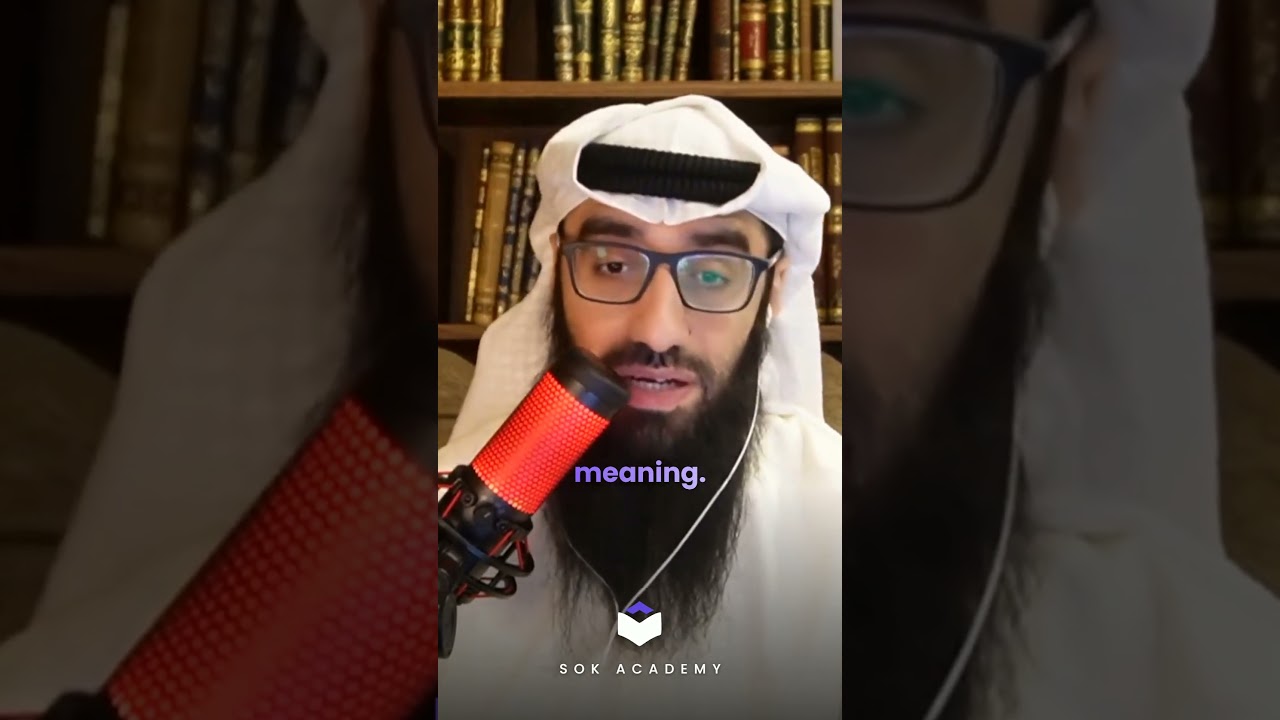
The meaning of Istawâ and how it differs from the Attributes of Allah - Sheikh Saleh Al Fawzan "استوى على العرش" في سبعة مواضع من القرآن كلها بلفظ "استوى على العرش" "He rose over the Throne" is in seven places in the Quran, all with the wording “ّIstawa Alal-A’rsh” (i.e, He rose over the Throne) يعني ارتفع، ارتفع عليه سبحانه وتعالى، وعلا عليه وصعد عليه Meaning Exalted, He ﷻ Exalted above it, Rose Above it, and Exalted upon it. والاستواء صفة من صفات الأفعال، أما العلو فهو صفة ذات. And Istiwâ (rose above) is a description of an action, while Uluu (highness) is a permanent attribute to oneself. شوف الفرق بين العلو والاستواء. See the difference between Uluu and Istiwa’. العلو صفة ذات ملازمة لله عز وجل، وأما الاستواء فهو صفة فعل، يفعله إذا شاء. Al-Ulu’ is an Attribute that is permanent to Allah the Almighty, while Istiwâ is an attribute of action, which He does whenever He wills ولهذا قال: (خلق السموات والأرض في ستة أيام ثم استوى) that is why He said: (He Who created the heavens and the earth in six Days and then rose over (Istawâ) the Throne (in a manner that suits His Majesty). رتبه بثم، التي هي للترتيب والتراخي، فالاستواء صفة فعل يفعله سبحانه متى شاء. He made them in order using the word (thumma i.e, then) which is for order and non-immediacy, so Istawâ is a description/attribute of an action that He does whenever He wills. أما العلو فهي صفة ذات لازمة لله سبحانه وتعالى. As for Uluu, it is an attribute that is permanent to Allah ﷻ. لا يكون إلا في العلو سبحانه وتعالى. He is not but in the Uluu (above) High and Exalted is He ﷻ.