76K subscribers
9,233 views·
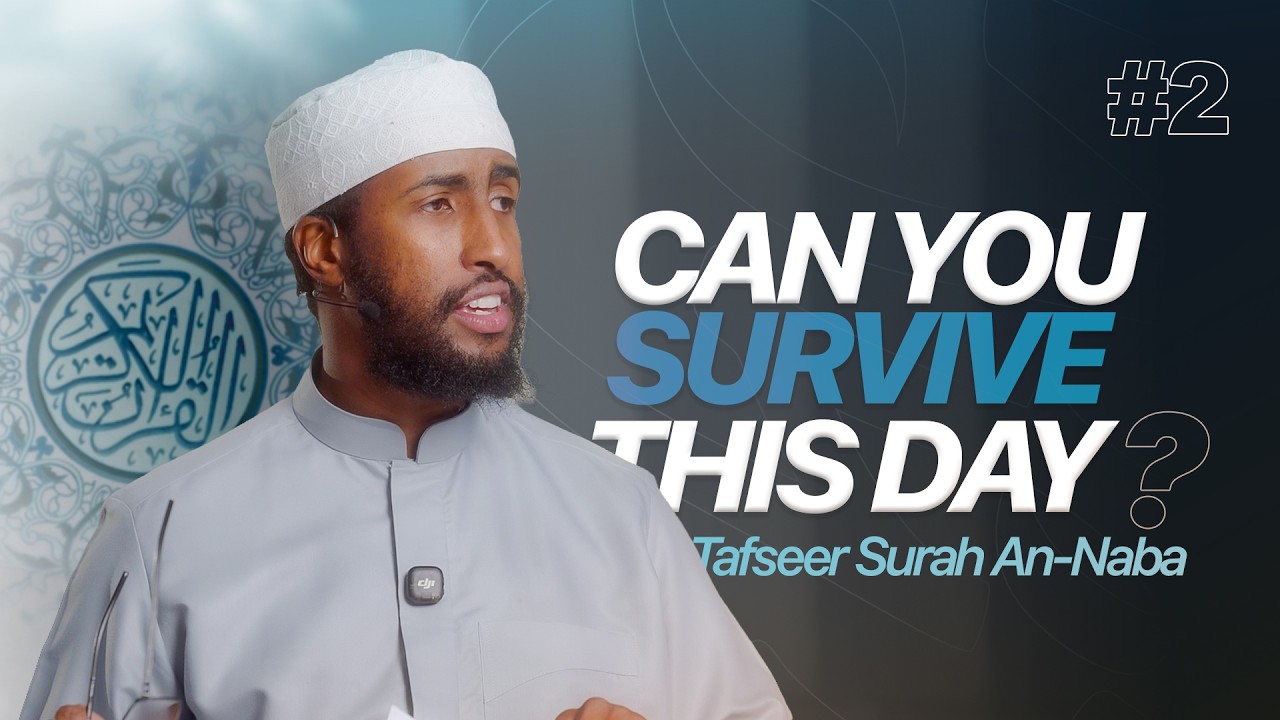
In this lecture, Ustadh AbdulRahman Hassan addresses a growing issue in our times: people hastily placing themselves at the forefront of daʿwah without proper grounding, adab, or clarity. He explains that Islam unrestrictedly grants every Muslim the responsibility to enjoin good and forbid evil, meaning that clear and agreed-upon matters of the dīn are not limited to a select class. At its core, daʿwah includes calling people to iṣlāḥ rectifying corrupted manners, improving character, and reforming the moral condition of society. At the same time, Ustadh AbdulRahman Hassan carefully outlines the limits and ethics of daʿwah. He stresses that public condemnation of rulers is not from the methodology of the Salaf; rather, sincere advice should be given privately to prevent division and chaos. He then clarifies who is truly “fit” to advise others: one who possesses bayyinah (clear knowledge of what they command or forbid), wisdom in dealing with evidence and doubts, and personal uprightness that helps people accept the message. While personal righteousness strengthens daʿwah, shortcomings are not an excuse for silence abandoning the duty altogether can itself become a grave failing. Timestamps: 0:00 - Introduction: Who is Fit to Give Da'wah? 1:30 - The Station of Calling to Allah 3:05 - The Problem: Disunity Weakened the Da'wah 4:09 - Scholars Who Stood Up for Reform 4:54 - Introduction to the Risala 5:44 - Why This Risala is Needed Today 6:20 - Biography: Sheikh Muhammad al-Khidr Hussain 12:11 - Note on Sheikh Muhammad al-Khidr Hussain's Aqeedah 12:31 - Who Can Give Da'wah? 13:53 - Islam Gave Everyone the Right to Enjoin Good 15:05 - Even the Lowest Can Advise the Ruler 15:40 - How to Advise Rulers Properly (Ibn Baz) 17:14 - Story of Usama ibn Zayd and Uthman 18:16 - Calling to Good is Everyone's Duty 19:28 - Hadith: Changing Evil (Hand, Tongue, Heart) 19:53 - Story of Marwan and the Eid Prayer 27:26 - The Meaning of "Tawasaw bil-Haq" 32:16 - Anyone Can Say "Ittaqillah" 36:50 - Story of Umar and the Man 37:39 - Conditions for the Da'i (Caller) 39:32 - Four Levels of Perceiving Truth 45:03 - The Danger of Listening to Everyone 51:00 - When Issues Require Scholarship 57:45 - Does the Caller Have to Be Perfect? 1:05:10 - Righteousness is Needed But Not a Barrier 1:07:04 - Who Should Talk About the Deen? 1:09:29 - Conclusion AMAR Academy: https://www.rahmaniyyah.com Instagram: https://www.instagram.com/abdulrahmanhassanofficial25 Patreon: https://www.patreon.com/cw/AMARofficial Telegram: https://t.me/+c87I9vy6kqkxOWZk YouTube: https://www.youtube.com/@rahmaniyyahofficial WhatsApp: https://whatsapp.com/channel/0029VbBlpi2CHDyjG4ZI1I0g #abdulrahmanhassan #AlMadrasatuArRahmaniyyah #AMAR